
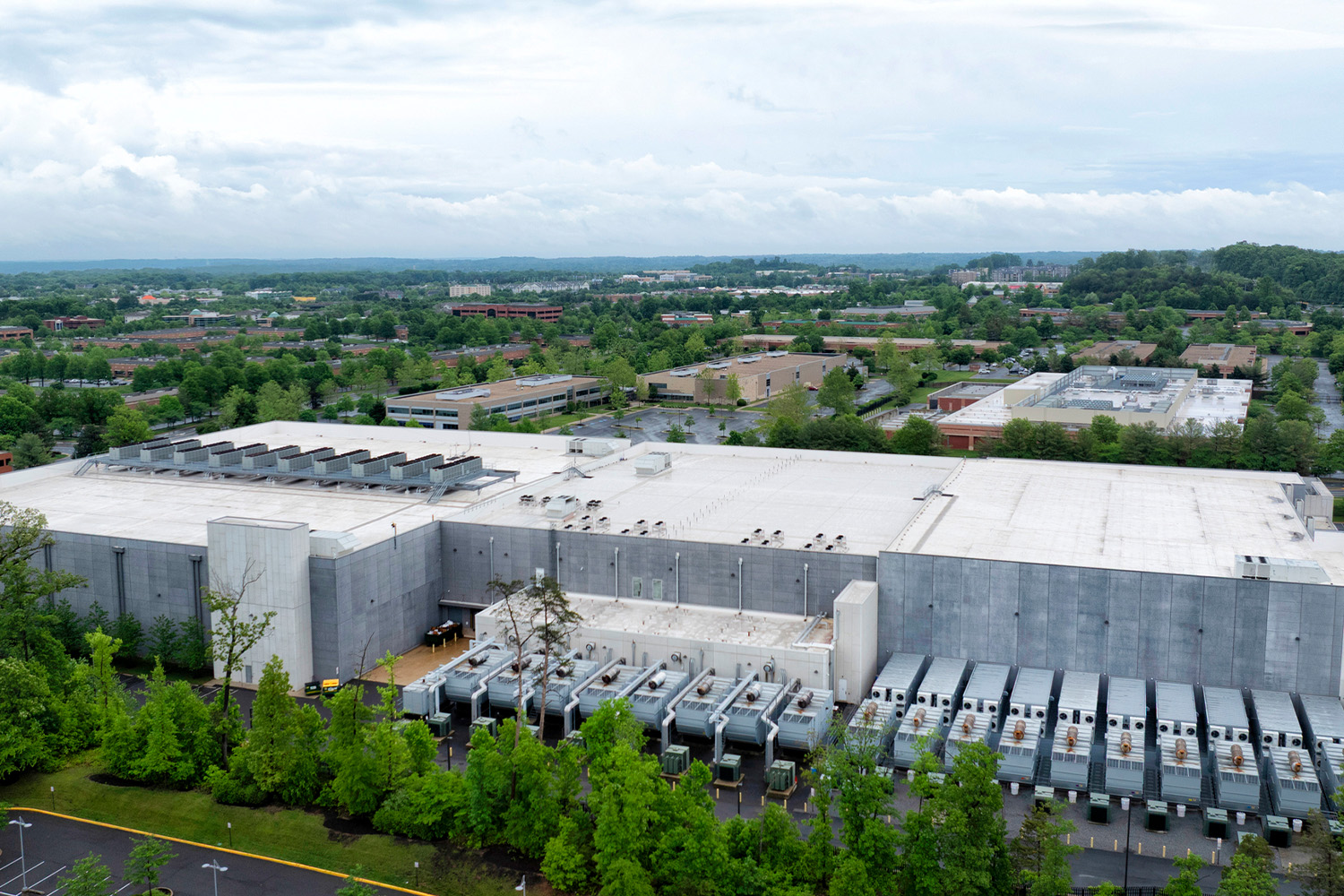
Sioux Falls, South Dakota holds a unique distinction in the American data center landscape: it is the credit card capital of the United States. Following the 1980 passage of South Dakota's landmark banking legislation that eliminated usury limits, Citibank relocated its credit card operations here, and Wells Fargo, HSBC, and other major financial institutions followed. The data centers supporting these massive credit card processing operations handle billions of transactions annually, and the computing infrastructure involved is among the most performance-sensitive financial services technology anywhere in the country. Roofing these facilities is not a routine commercial project, it is the protection of critical financial infrastructure that touches the daily commerce of millions of Americans.
The concentration of financial services IT in Sioux Falls means that the local data center market is dominated by facilities with extraordinary uptime requirements. Credit card authorization systems that operate at national scale cannot tolerate building envelope failures that introduce moisture to server rooms, power distribution systems, or network equipment. Our work on financial services data center facilities in the Sioux Falls area reflects this reality through specifications, installation practices, and maintenance protocols calibrated to zero-tolerance standards. We understand that the cost of a roof failure here is measured not just in repair bills but in potential transaction processing interruptions with regulatory and financial consequences far exceeding the envelope repair cost.
South Dakota's continental climate is among the most demanding roofing environments in North America. Sioux Falls experiences the full range of Great Plains weather extremes: summer temperatures exceeding 100 degrees, winter temperatures plunging well below zero, severe thunderstorms with large hail in spring and summer, and blizzard conditions with significant snow loads from fall through spring. This thermal range, potentially exceeding 150 degrees Fahrenheit between the seasonal extremes, creates extreme stress on roofing assemblies through repeated expansion and contraction cycles. Our specifications address thermal movement through expansion joint details, reinforced seam configurations, and membrane selection optimized for flexibility retention at low temperatures.
The hail risk in Sioux Falls is significant and must be incorporated into every commercial roofing specification for mission-critical facilities. The Great Plains is one of the highest-frequency hail exposure areas in the world, and Sioux Falls falls within the zone that experiences multiple damaging hail events most years. Financial services data center operators cannot afford to have a single hail event compromise their building envelope, which makes impact-rated membrane specifications a baseline requirement rather than an optional upgrade. We specify FM 4473 Class 4 impact-rated assemblies for all new data center construction in the Sioux Falls market and can provide the documentation that insurance underwriters require to confirm impact resistance compliance.
Snow load management is another first-order concern for Sioux Falls data center roofs. The region receives substantial snowfall, and the design snow loads for low-slope commercial roofs in Sioux Falls are significant. Our roof designs account for code-required snow loads plus drift loads that can develop at parapets, equipment curbs, and roof transitions. Drainage systems are designed to handle the snowmelt runoff from a rapid thaw following a large accumulation event, and we detail roof drains with freeze-protection provisions to prevent ice blockage that could allow ponding during partial thaw conditions.
Great Plains Energy and the electrical infrastructure supporting Sioux Falls have benefited from the region's wind energy resources, which have driven electricity rates down compared to many other data center markets. This competitive power pricing, combined with land availability and South Dakota's tax-friendly business environment, makes the region attractive for continued financial services data center investment and potentially for broader technology sector expansion. The cold winters that create roofing challenges also provide a free-cooling advantage for data center operators: outdoor air economization can dramatically reduce mechanical cooling costs during the long Sioux Falls winter, reducing PUE ratios and operating costs simultaneously.
The maintenance requirements for Sioux Falls data center roofs are driven primarily by the severe climate. Post-storm inspections after significant hail events are essential to verify that impact-rated assemblies have performed as specified and that no punctures or seam separations have occurred. Post-blizzard inspections verify that snow accumulation has not created drainage blockages or overloading conditions. Spring inspections assess any damage from winter freeze-thaw cycling. These climate-driven inspection triggers supplement the standard semi-annual inspection cycle that our maintenance program provides for all data center clients in this market.
The specialized nature of the financial services data center market in Sioux Falls means that most facility operators here have established vendor relationships and security protocols that govern how construction and maintenance contractors access their facilities. We are experienced navigating financial institution security requirements, including personnel background screening, visitor access systems, and the documentation protocols that banks and financial services companies require for all contractors working on sensitive infrastructure. These requirements are built into our project planning process from the initial scoping phase.
As the Sioux Falls economy continues expanding beyond its financial services foundation, the data center market here will diversify to include healthcare IT, regional cloud hosting, and potentially agricultural data analytics applications serving the surrounding commodity economy. Each of these sectors will bring its own data center investment and its own demand for qualified commercial roofing services. Our deep experience in the Great Plains climate and our track record serving the existing financial services data center market positions us to serve this evolution.
Frequently Asked Questions: Data Center Roofing in Sioux Falls
- What hail impact resistance specification is appropriate for Sioux Falls data center roofs?
- We specify FM 4473 Class 4 impact-rated assemblies for all mission-critical data center roofing in the Sioux Falls area. This classification requires the assembly to resist penetration by a 2-inch diameter steel ball dropped from 20 feet, comparable to large hail that occurs routinely in this region. Impact rating applies to the membrane, cover board, and the complete system stack, and we document the tested assembly configuration to satisfy insurance underwriter requirements.
- How do you detail roof drains to prevent ice blockage in South Dakota winters?
- Roof drain freeze protection in the Sioux Falls climate requires a combination of drain placement away from locations subject to ice dam formation, insulated drain bodies to prevent conduction of cold from the exterior, and in some cases electric heat trace cable around drain openings and in the horizontal drain runs below roof level. We also specify overflow scuppers at multiple locations as a redundant drainage pathway that remains functional even if primary drains freeze.
- What thermal movement accommodation is needed for South Dakota's extreme temperature range?
- The potential temperature range from summer peak to winter low in Sioux Falls can span 150 degrees Fahrenheit or more, which creates significant thermal movement in metal components and contributes to stress at membrane seams. We specify thermoplastic membranes with retained flexibility at low temperatures, use reinforced seam configurations at details subject to concentrated stress, and position expansion joints in large roof areas to prevent strain from accumulating across the full extent of the membrane field.
- How do you handle snow removal coordination for operating data center facilities?
- We advise against reactive snow removal by facility staff unless accumulation has exceeded the design snow load, which we confirm for each facility we serve. When removal is warranted, we provide guidance on safe removal methods that avoid membrane puncture, including minimum clearance requirements from the membrane surface and appropriate tool types. Our maintenance program includes post-blizzard inspections to assess accumulation loads and drainage clearance following significant snowfall events.
- Do financial services data center operators have specific compliance requirements for roofing contractor access?
- Yes. Financial institutions typically require background screening for all personnel accessing facilities that house financial data or transaction processing systems. Requirements vary by institution but commonly include criminal background checks, identity verification, and registration in the institution's contractor management system. We maintain active registrations with the major contractor management platforms used by financial services companies and build the required lead time for personnel credentialing into our project planning schedules.