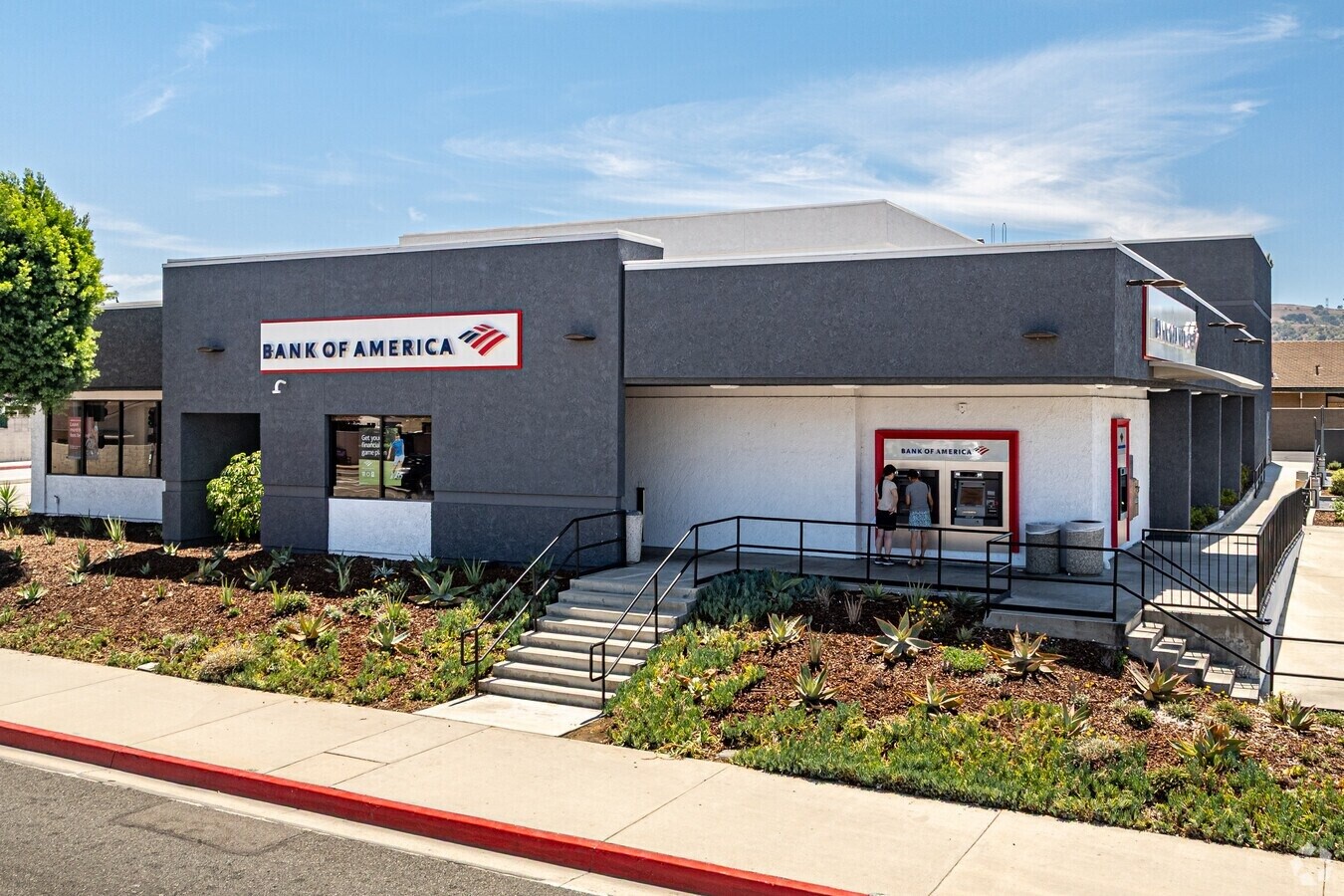
Small roofs, high stakes, and a canopy that always leaks first
A bank branch rarely has much roof, but every square foot of it sits over something that cannot get wet, a teller line, a vault, a server closet, a customer lobby. The footprint is modest and the building is highly visible from the street, so the roof has to perform and look composed while doing it. Two things make these jobs distinct from ordinary retail: the drive-through canopy, which is the most reliable chronic leak source on the property, and the access protocols that come with a building full of sensitive operations. Get both of those right and a bank reroof is straightforward; ignore either and it becomes a recurring problem.
Sioux Falls carries an unusually heavy concentration of financial-sector real estate for its size. The 1981 state law that removed interest-rate caps brought Citibank's national credit-card operation to town, and the industry that followed made finance one of the city's largest employment bases, Wells Fargo, First Premier, and a dense field of community banks and credit unions all maintain branches and back-office buildings here. That shows up as branch banks studded along the 41st Street, Minnesota Avenue, and Louise Avenue retail corridors, credit-union offices through the 57th Street and Western Avenue nodes, and larger financial campuses anchoring parts of the west side and downtown. The branches are small flat-roof buildings with canopies; the campuses are full commercial roofs with the same security overlay.
The drive-through canopy is its own scope
The canopy-to-building transition takes abuse that the field roof never sees. It thermal-cycles through wide South Dakota temperature swings, it catches wash overspray and exhaust off vehicles idling beneath it, and the canopy structure settles at a slightly different rate than the main building, so the joint between them works back and forth season after season. A standard retail flashing detail does not survive that for long. We pull the canopy transition out of the field-membrane scope and treat it as a separate flashing item, evaluate it on its own, and re-flash it with a detail built for the differential movement when it shows wear. Replacing the field membrane while leaving that joint alone is the classic way a bank keeps paying for the same leak.
More penetrations than the footprint suggests
A small bank roof is busier than it looks. ATM kiosk enclosures, the drive-through structure, a generator with a rooftop exhaust for keeping the branch live during outages, and precision cooling for a server or comms room all create discrete flashing requirements packed into a compact roof. Because the roof is so visible and the building so unforgiving of water, every one of those penetrations gets individually documented and flashed, and the membrane selection leans toward systems that hold up cleanly under public view. On the back-office campuses, the penetration profile is closer to a standard office building, but the leak consequences over data and records rooms keep the detailing tight.
Security access is part of the schedule
At a financial building, access governs the job more than at almost any other property type. Contractor badging, escort requirements near vault-adjacent areas, and security-camera documentation of crew activity are routine, and they take time to arrange. We build the credentialing and coordination timeline into the bid up front so it is not a surprise that surfaces after the contract is signed. Active tear-off concentrates in off-hours and weekends with daily dry-in confirmed before the branch opens, vault-zone work is sequenced into approved windows, and the security team confirms nothing live is affected by vibration or temporary access changes. Many of these owners run multiple branches under centralized facilities management, so we provide standardized scoping, documentation, and pricing across a portfolio with a single project-management contact.
Edge metal is brand-visible, and small roofs reward maintenance
On a branch, the fascia and edge metal are part of the storefront. Customers read the building's condition from the parking lot, and a sagging gutter, a streaked fascia, or a wind-lifted edge tells them something the bank does not want to say. We treat the perimeter metal as a finished, visible element, color-matched, cleanly terminated, and detailed to hold against the wind uplift that a small, exposed pad-site roof takes from every direction. The flip side of a small roof is favorable maintenance economics: because the area is modest, a scheduled program of canopy-joint checks, drain clearing, sealant renewal at penetrations, and edge-metal inspection costs little per visit and reliably heads off the interior water events that close a branch for a day. For a portfolio owner, that program is far cheaper than the emergency call and the records-room cleanup that follow a single ignored canopy leak, and we set those visits on a cadence that fits the institution's facilities calendar.
Bank & Financial Building Roofing Questions
How do you schedule around banking hours?
Active tear-off and installation concentrate in off-hours and weekends, with daily dry-in confirmed before the branch opens each morning. We coordinate work windows, noise limits during service hours, and any security escort requirements with the branch manager and corporate facilities team.
How do you handle the drive-through canopy connection?
As a separate flashing item, not part of the field-membrane scope. The canopy-to-wall transition is evaluated on its own and re-flashed with a detail built for the differential movement it sees. This is the most common chronic bank leak, and it is never fixed by replacing the field membrane alone.
What documentation do financial institutions require?
Insurance certificates and license verification before mobilization, a preconstruction safety plan, daily work and dry-in reports, manufacturer warranty registration in the owner's name, and a final permit and inspection package. We work inside each institution's vendor-management process for approved-contractor registration.
Can you work over active vaults or sensitive areas?
Yes. We locate vault rooms from the building drawings before mobilizing, sequence work on those roof zones into approved windows, and confirm with the security team that no active operations are affected by vibration or temporary access changes.
Do you handle multi-site bank roofing programs?
Yes. Portfolio programs, a regional bank with a handful of branches or a larger network across the state, are a regular part of our mix. We provide standardized scoping, documentation, and pricing with a single project-management contact for the corporate facilities team.