
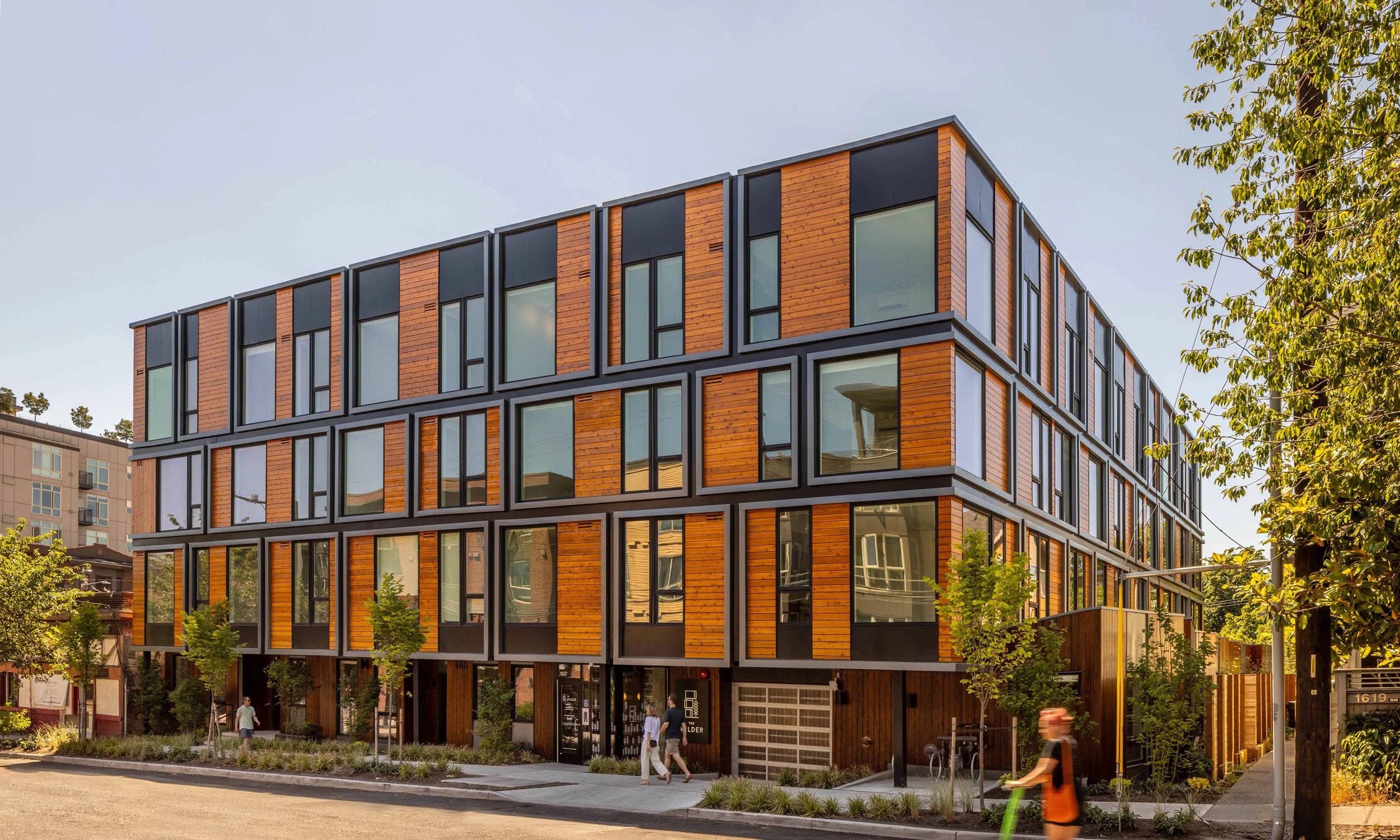
Sioux Falls has been one of the fastest-growing cities in the upper Midwest for over a decade, and its multifamily housing market reflects that momentum. Property management companies overseeing portfolios throughout the city's expanding western suburbs, from the communities near the Village on the River development to newer apartment corridors along 57th Street and beyond, face roofing decisions in a climate that is genuinely one of the most demanding in the country. South Dakota winters bring subzero temperatures, wind-driven snow, and ice dam formation; summers deliver severe hail storms, high winds, and rapid temperature swings. Roofing systems on Sioux Falls apartment buildings and HOA-governed communities must be specified and maintained with both seasons in mind.
Hail is an existential roofing concern for Sioux Falls multifamily property owners in a way that most other markets don't experience. South Dakota sits within the northern edge of Tornado Alley, and Sioux Falls regularly records hail events large enough to cause immediate functional damage to roofing membranes, not just cosmetic granule loss, but punctures, splits, and accelerated seam failures that compromise waterproofing integrity within months. Property managers who respond to a hail event by filing an insurance claim without simultaneously commissioning an independent contractor inspection often find themselves accepting insurance settlements that undervalue the actual scope of damage. We provide post-storm assessments that document hail damage to the standard required for supplemental insurance claims on apartment and HOA properties.
The apartment buildings that line Louise Avenue, Minnesota Avenue, and the 41st Street corridor, many built during Sioux Falls' 1980s and 1990s growth periods, represent the core of the city's affordable and workforce rental housing stock. These buildings carry flat or low-slope roofing systems now in their third or fourth decade, and the combination of thermal cycling, winter ice load, and summer UV exposure has left many of them in the deferred maintenance zone that property managers recognize as high-risk territory. A roof that performs adequately through September can fail catastrophically in January when an ice dam forms at the eave, drives water back under the membrane, and saturates the insulation and deck before the property manager receives the first report of ceiling water.
Ice dam formation is a specific Sioux Falls concern that requires proactive design attention rather than reactive repair. Ice dams form when heat loss from the occupied floors below warms the roof deck unevenly, melting snow that then refreezes at the cold eave or parapet, creating a dam that backs water up under the membrane. On older Sioux Falls apartment buildings without adequate insulation at the roof assembly level, ice dams are nearly inevitable after major snowfall events. When we scope replacement projects on these buildings, we include insulation evaluation and R-value recommendations as a standard component, because a new membrane installed over inadequate insulation will develop the same ice dam vulnerability within its first winter.
HOA-governed townhome and condominium communities scattered across western Sioux Falls, in neighborhoods like Whittier, Prairie Green, and the newer planned developments near the Sanford Sports Complex, face the dual challenge of managing capital projects across shared roofing systems that span multiple attached units. When a single hail event damages the roofing across an entire 60-unit townhome community, the scope of a coordinated replacement project can easily reach seven figures. Our team has managed large-scale HOA replacement projects in Sioux Falls, coordinating with HOA boards, reserve analysts, and insurance adjusters to scope, bid, and execute projects that affect dozens of individual property owners simultaneously.
Sioux Falls' growing population of real estate investors, many attracted by the city's lack of state income tax, favorable landlord-tenant laws, and strong rental demand from Sanford Health, Avera Health, and the financial services sector, has driven increased acquisition activity in older multifamily neighborhoods near downtown and along the western growth corridors. Investors underwriting these acquisitions should account for the climate-specific capital demands of South Dakota multifamily ownership: ice dam mitigation, hail-rated membrane systems, and drainage systems capable of handling rapid spring snowmelt events are not optional upgrades, they're performance requirements for assets in this market.
The commercial roofing material choices for Sioux Falls multifamily properties must account for both thermal performance and impact resistance. TPO and PVC membrane systems with impact-resistant ratings perform significantly better through South Dakota hail seasons than standard membrane products, and the insurance premium savings from impact-rated roofing classifications on apartment buildings can offset a meaningful portion of the cost premium over standard materials. We routinely specify impact-rated membrane systems on Sioux Falls apartment and HOA replacement projects and can provide the manufacturer documentation insurers require to apply impact-resistant roof discounts at the time of policy renewal.
Property management companies handling Sioux Falls apartment portfolios for out-of-state investors, a common ownership structure given the city's favorable investment fundamentals, need a roofing contractor who can serve as an informed local representative for ownership groups that may be headquartered in Minneapolis, Phoenix, or Denver. We provide detailed written inspection reports, photographic documentation, and budget projections in formats that asset managers can share directly with ownership without translation, and we communicate proactively with portfolio managers when storm events trigger post-event inspection needs rather than waiting for a service call to initiate the process.
Sioux Falls multifamily roofing demands a contractor who respects the severity of the South Dakota climate and understands the financial structure of apartment and HOA property ownership. From post-hail insurance assessment to winter ice dam prevention and large-scale HOA replacement project management, our commercial roofing team delivers the climate-informed expertise and professional documentation that Sioux Falls property owners and their managers depend on.
- How should Sioux Falls multifamily property managers respond after a significant hail storm?
- The first step after a significant hail event is commissioning an independent contractor inspection before contacting the insurance carrier, so that damage documentation reflects the full scope of impact, including membrane punctures and seam failures that may not be visible from the ground. Our post-storm assessments are documented with close-up photography and written findings that meet the evidentiary standard for supplemental insurance claims, and we can coordinate directly with the insurance adjuster during the site inspection to support a fair settlement on Sioux Falls apartment and HOA properties.
- What causes ice dams on Sioux Falls apartment buildings and how are they prevented?
- Ice dams form when uneven heat loss from occupied floors melts snow on warmer roof sections, with meltwater refreezing at cold eaves or parapets and creating a barrier that forces water back under the membrane. Prevention requires addressing the root cause, inadequate roof insulation, rather than just adding ice-and-water shield membrane at eaves. When we replace roofing systems on Sioux Falls apartment buildings, insulation evaluation and R-value correction are standard project components, not optional upgrades.
- Do you work with HOA boards on large-scale roofing replacement projects affecting multiple attached units?
- Yes, coordinating large HOA roofing replacement projects in Sioux Falls is a specialized service our team has delivered for townhome and condominium communities throughout the city. We work alongside HOA boards, reserve analysts, and insurance adjusters to scope projects properly, manage bid processes that satisfy association procurement requirements, and execute phased replacements on occupied communities with minimal disruption to individual property owners.
- What impact-resistant roofing materials do you recommend for Sioux Falls apartment properties?
- TPO and PVC single-ply membrane systems rated UL 2218 Class 4 for impact resistance offer the best combination of cold-climate flexibility, puncture resistance, and insurance-classification benefits for Sioux Falls flat-roof multifamily properties. Many South Dakota insurers apply premium discounts for buildings with impact-rated roofing classifications, and we provide manufacturer product documentation formatted for submission to insurers in support of those discount applications at policy renewal.
- How do you serve out-of-state investors who own Sioux Falls multifamily properties remotely?
- We function as a local roofing resource for asset management teams headquartered outside South Dakota, providing proactive post-storm outreach, written inspection reports formatted for asset management reporting, and budget projections in formats compatible with common property management software. We don't wait for a service call after a major storm, we reach out to managed portfolio clients within 48 hours of any significant hail or wind event to schedule post-storm inspections, keeping ownership informed without requiring them to monitor local weather from afar.