
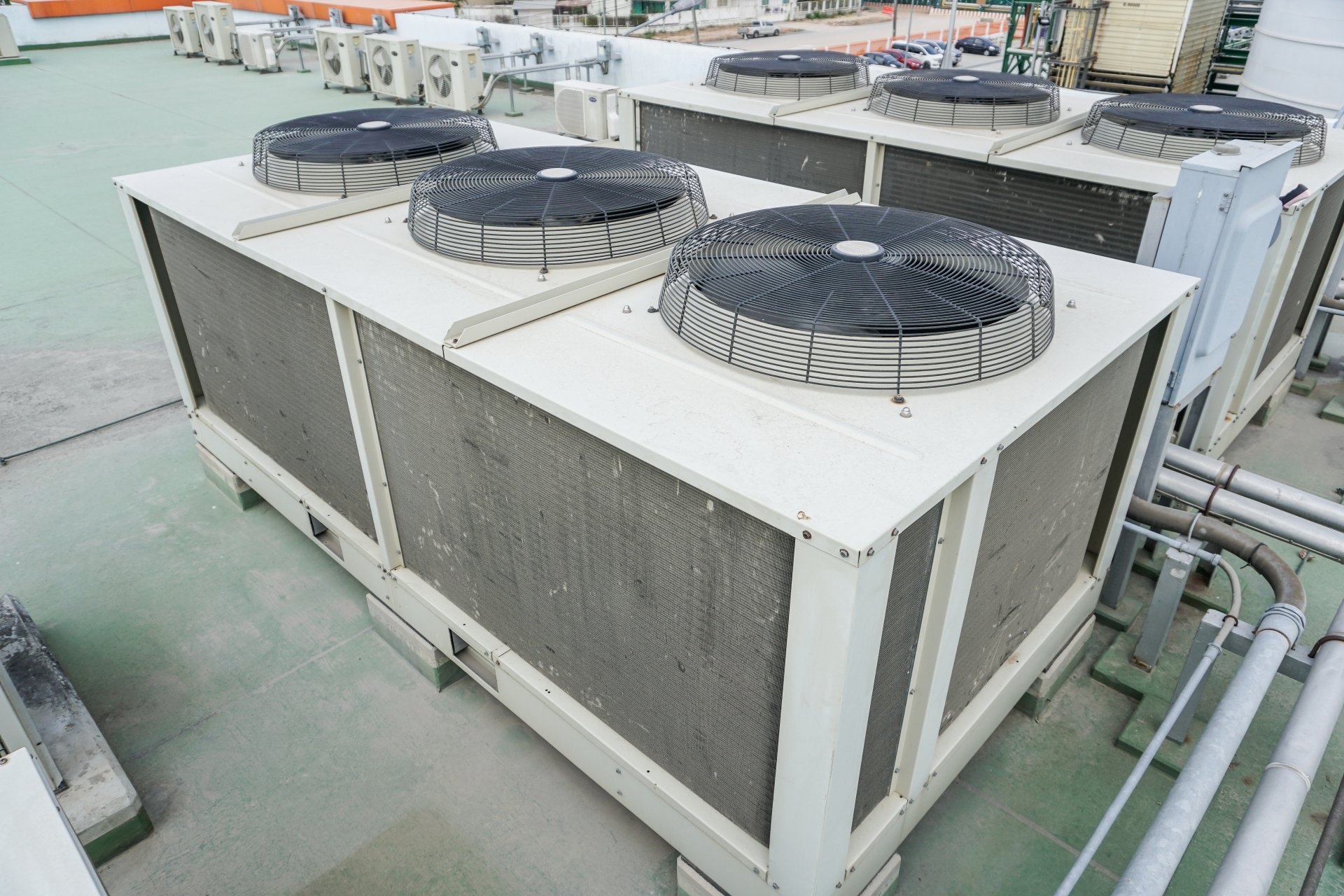
Sioux Falls has built one of the most dynamic restaurant cultures on the northern plains, with the Falls Park corridor, downtown's Phillips Avenue, and the rapidly expanding east-side commercial strips all hosting everything from James Beard-nominated kitchens to busy drive-through lanes serving the lunchtime rush from Sanford Health and Wells Fargo regional facilities. That volume of food-service activity creates roofing demands that general commercial contractors rarely anticipate. Every cooking hood, exhaust fan, and walk-in cooler penetrates a membrane that already faces hard South Dakota winters, spring melt cycles, and summer hail that arrives fast off the Minnesota border.
Grease exhaust is the single biggest roof-degradation factor for any Sioux Falls restaurant operator. Kitchen ventilation systems push aerosolized fat and oil through roof curbs dozens of times each service. That residue saturates felt underlayments and eats through aging EPDM membranes, leaving pathways for the freeze-thaw water that cycles relentlessly from November through March. Properly flashed grease exhaust curbs, fabricated from stainless or galvanized steel and sealed with high-temp elastomeric compound, stop contamination before it migrates laterally toward field membrane seams.
TPO and PVC single-ply membranes are the dominant choice for Sioux Falls food-service roofs because they resist grease degradation far better than modified bitumen or EPDM. Sixty-mil TPO heat-welded at seams delivers consistent performance across the temperature swings common to the Big Sioux River valley, from negative-twenty January mornings to ninety-degree July afternoons. PVC is the preferred upgrade when a kitchen runs exceptionally high exhaust volumes, since its chemistry handles hydrocarbon exposure without the surface oxidation that shortens TPO's service life in grease-heavy zones.
Quick-service operators on Louise Avenue and along the 41st Street commercial corridor face a particular challenge: franchisors often mandate roof specifications tied to national construction standards that do not account for South Dakota's freeze-thaw intensity. A regional roofing contractor who understands both the Dairy Queen and Culver's brand requirements and the local building envelope demands can bridge that gap, ensuring warranty compliance while detailing penetrations correctly for Sioux Falls conditions.
Walk-in cooler and freezer penetrations introduce a moisture risk that extends well beyond the immediate curb. Condensation migrates through insulation and reaches the roof deck faster than most operators realize, especially in older structures near the downtown entertainment district where buildings were not designed for modern refrigeration loads. Vapor retarder installation beneath new membrane and thermal bridging repairs at cooler unit bases protect the deck and prevent costly structural deterioration.
Health code compliance in Minnehaha County ties kitchen ventilation performance directly to roof condition. A roof curb that has shifted, settled, or lost its grease-seal integrity can allow backdrafting that fails a Sioux Falls Environmental Health inspection, shutting down service during a busy weekend. Scheduling roof maintenance and curb realignment during the city's slower January and February shoulder period keeps compliance intact without sacrificing peak revenue days.
Breweries and taprooms have multiplied in Sioux Falls, from the Cherapa Place area to newer operations near the stadium district. Craft brewing creates its own roof penetration inventory: steam venting from brew kettles, exhaust from grain dust collectors, HVAC units serving large open tasting rooms. Each penetration is an opportunity for water entry if flashing details are rushed. Stainless pitch pans filled with pourable sealant, regularly inspected and refilled, manage irregular penetration geometry that standard curb kits cannot accommodate.
Minimizing downtime is non-negotiable for any Sioux Falls food-service operator running tight margins. Phased roof replacement, sequencing work in sections tied to off-peak hours or overnight shifts, keeps the kitchen producing revenue while the membrane above it is renewed. Experienced crews familiar with the city's permit timelines through the Sioux Falls Building Services Division can plan sequencing that avoids inspector delays and keeps the project moving efficiently from one roof section to the next.
Long-term roof performance on a Sioux Falls restaurant comes down to a documented inspection and maintenance program. After every significant hailstorm, which can drop golf-ball-sized stones on the west side of town with little warning, a trained inspector should walk the field membrane, all penetration flashings, and edge metal. Grease trap covers should be checked for seal integrity at the same time. Catching a small puncture or lifted seam after a storm costs a fraction of the water damage repair that follows if the issue is ignored through a South Dakota winter.
- How does South Dakota's freeze-thaw cycle affect a restaurant roof differently than standard commercial roofs?
- Food-service roofs have more penetrations, exhaust curbs, HVAC units, cooler lines, each of which is a potential water-entry point when temperature swings cause flashing materials to expand and contract repeatedly. In Sioux Falls, that cycling runs from late October through April, meaning any marginal detail that might hold elsewhere will fail here. Proper material selection and annual inspections before freeze-up are essential.
- Why do grease exhaust curbs need specialized flashing rather than standard roof curbs?
- Grease-laden exhaust coats everything it touches, breaking down asphalt-based sealants and degrading EPDM rubber over time. Standard curb flashing is not designed to shed hydrocarbon residue or withstand the elevated temperatures near active exhaust fans. Stainless steel curb construction with high-temp elastomeric seals is required to keep the penetration watertight under continuous cooking operation.
- Can a roof replacement be completed without closing my Sioux Falls restaurant?
- Yes, with careful phasing. Crews sequence work in sections after dinner service or overnight, covering any open roof area with temporary waterproofing before leaving each shift. Most single-story quick-service buildings in Sioux Falls can complete a full membrane replacement in three to five nights of phased work without a full-day closure.
- What membrane type is best for a busy brewery with multiple steam vent penetrations?
- PVC membrane is the preferred choice around steam and exhaust-heavy penetrations because its chemical resistance outperforms TPO in prolonged hydrocarbon and moisture exposure. Heat-welded seams on 60-mil PVC create a monolithic surface that handles the thermal expansion around active brew-kettle vents better than mechanically fastened systems.
- How often should a Sioux Falls restaurant owner schedule professional roof inspections?
- Twice annually is the minimum, once in the fall before freeze-up and once in the spring after snowmelt season concludes. Any hailstorm producing stones over three-quarters of an inch should trigger an immediate additional inspection. Annual grease-curb cleaning and resealing should be scheduled alongside each spring inspection.